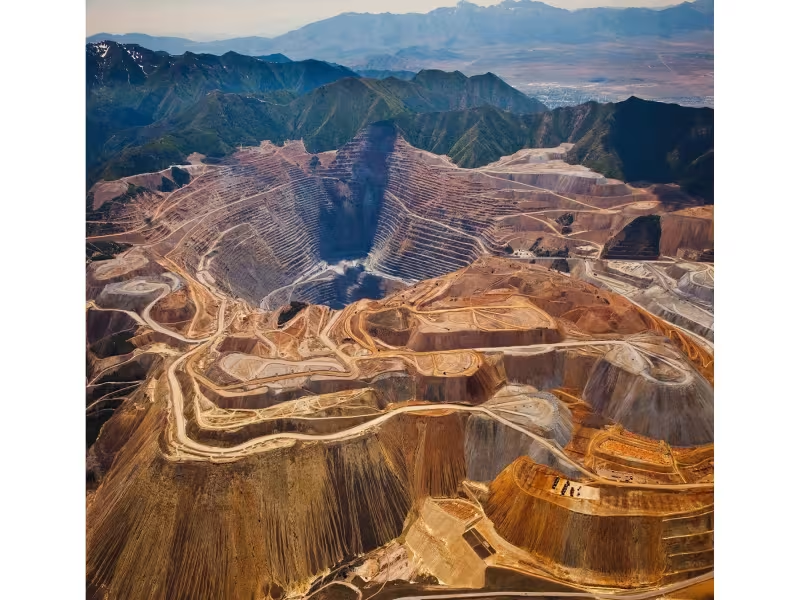
Franklin, Tennessee – October 15, 2026 -- Copperweld CFO Josh Vogel argues that copper-clad aluminum (CCA) and copper-clad steel (CCS) conductors can ease supply pressure by cutting copper use in high-volume wiring, leaving the metal for applications where it is hardest to replace.
Mine development lags demand from data centers, EVs and grid projects
Vogel says copper demand is rising faster than new mines can come online, while ore grades decline at many existing operations. New mines often need more than a decade to permit, fund and develop. Mining companies must therefore commit multi-billion-dollar investments while short-term price volatility stays high. He cites data centers, electric vehicles, power distribution, HVAC, industrial automation and commercial construction as demand drivers.
Copperweld bimetals place copper only on the conductor surface
Copperweld's CCA and CCS conductors apply copper on the surface, where it delivers electrical value, and use a fraction of the copper mass of solid copper. Vogel points to residential and commercial branch-circuit wiring, where he says solid copper has historically been used because it was available, not because performance required it. He calls this misallocation and says bimetals free copper for uses such as semiconductors, data centers, robotics and aerospace.
Company says steadier pricing would improve mine investment decisions
Vogel lists five expected benefits: more predictable long-term pricing, better forecasting for mine expansion, lower volatility and speculative pressure, improved confidence among financiers and developers, and a stronger basis for multi-year contracts. The article gives no figures for price, volume or copper savings.
Construction and utilities are the downstream targets
Vogel says construction is a major copper consumer, and that even modest reductions in conductor copper use could improve material availability. Copperweld CCA Building Wire is the product he names for that role. He adds that utilities consume copper at scale for substation upgrades, grounding networks and storm-hardening projects, and that a more efficient market would support their long-range planning.