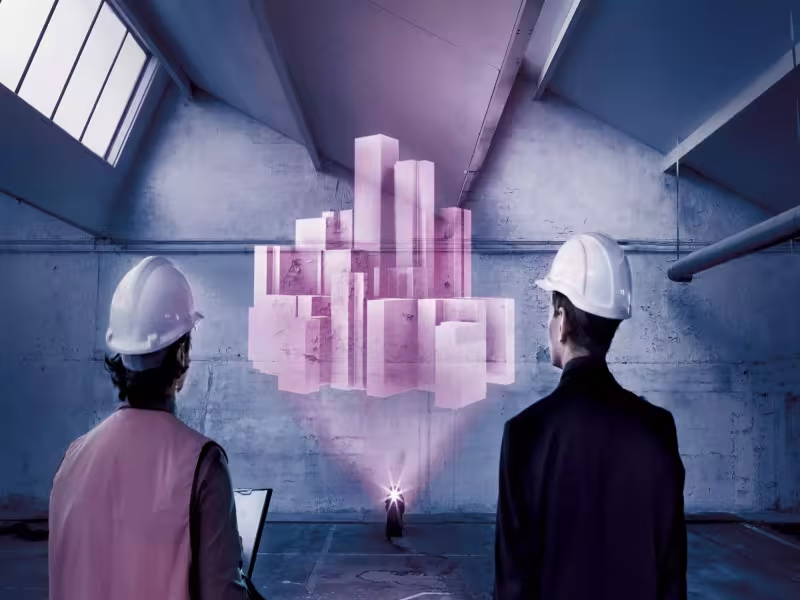
SHERIDAN, WYOMING - March 24, 2026 - digitalBAU 2026, the trade fair for digital solutions in the construction industry, opens today in Cologne with a dedicated focus on digitalization for existing buildings. Running from March 24 to 26, the event addresses how data-driven technologies can make building refurbishment more precise, scalable, and economically viable. With exhibitors showcasing scan-to-BIM workflows, AI-assisted cost estimation, and real-time defect tracking, digitalBAU positions digital tools as essential infrastructure for an industry in which existing-building projects already account for the majority of construction activity in Germany.
Existing Buildings as an Industry-Wide Growth Driver
The strategic emphasis on refurbishment reflects a structural shift in the construction sector. According to a brochure published by the German Federal Chamber of Architects, roughly 70 percent of construction measures in Germany now involve existing buildings. That figure underscores the economic weight of renovation work and elevates it well beyond niche status. At the same time, ambitious climate targets are placing additional pressure on the sector to transform how buildings are assessed, planned, and upgraded. digitalBAU's thematic focus responds directly to this intersection of market demand and regulatory direction by foregrounding the digital capabilities required to execute refurbishment at scale.
Data-Driven Planning as the Foundation for Scalable Refurbishment
Industry experts emphasize that energy-efficient renovation projects only become scalable when they rest on precise digital data. Analyses in the context of deep retrofit models show that comprehensive energy refurbishment requires a reliable digital foundation before any planning steps can proceed. Data-based tools allow professionals to evaluate building performance holistically, model energy optimization scenarios, and compare refurbishment options before construction begins. This approach reduces risk, improves cost predictability, and supports the transition to resource-efficient building practices across a wide range of project types.
From Analog Inventory to Digital Building Model
A central technological theme at digitalBAU 2026 is the scan-to-BIM method, which combines laser scanning and photogrammetry to generate precise digital representations of existing structures. The resulting point clouds serve as the basis for BIM models that capture far more than geometric data, enabling planners to work with detailed information layers throughout the project lifecycle. Additionally, simulation tools for refurbishment scenarios allow various energy-optimizing measures to be calculated and compared before work begins on site. These capabilities are particularly relevant for complex renovation projects where incomplete as-built documentation has historically slowed planning and increased costs.
Circular Economy Gains Traction Through Digital Documentation
Digital solutions are also expanding the relevance of circular economy principles in construction. Tools presented at the fair enable the identification and documentation of materials used in buildings, supporting the creation of digital building resource passports. These passports allow existing structures to be treated as valuable material inventories for future use, reinforcing resource conservation across the building lifecycle. For operators and project developers, this data-driven approach to material tracking adds a new dimension to asset management and sustainability reporting.
Exhibitor Solutions Targeting Day-to-Day Construction Workflows
Several exhibitors are presenting solutions designed for direct integration into the daily operations of architects, planners, and construction firms. BRZ is showcasing AI-supported tools for digitizing business and project processes, including a new assistance solution for project-related information retrieval and task support. FARO is demonstrating its Focus 3D laser scanner for rapid, precise capture of existing building data. The Nemetschek Group, through its ALLPLAN, FRILO, and SCIA brands, is presenting integrated workflows covering building capture, automated reconstruction, energy analysis, and structural calculations for existing structures. PlanRadar is highlighting its platform for on-site defect and task recording via mobile devices, with real-time distribution to trades and transparent tracking of renovation progress and deadlines.
Supporting Program Addresses Policy and Practice
digitalBAU 2026 features a supporting program across multiple stages, including the Main Stage and Neo Stage. Scheduled presentations include René Hommel from Arup, who will discuss the hybrid demonstration model DEEP for illustrating energy efficiency measures in existing residential buildings on March 25. Sarah Dungs, chairwoman of the Association for Building Renovation, will present on the topic of treating existing buildings as the standard rather than the exception. These sessions complement the exhibition floor by connecting technological capability with policy frameworks and professional best practices relevant to public and private property owners and operators.