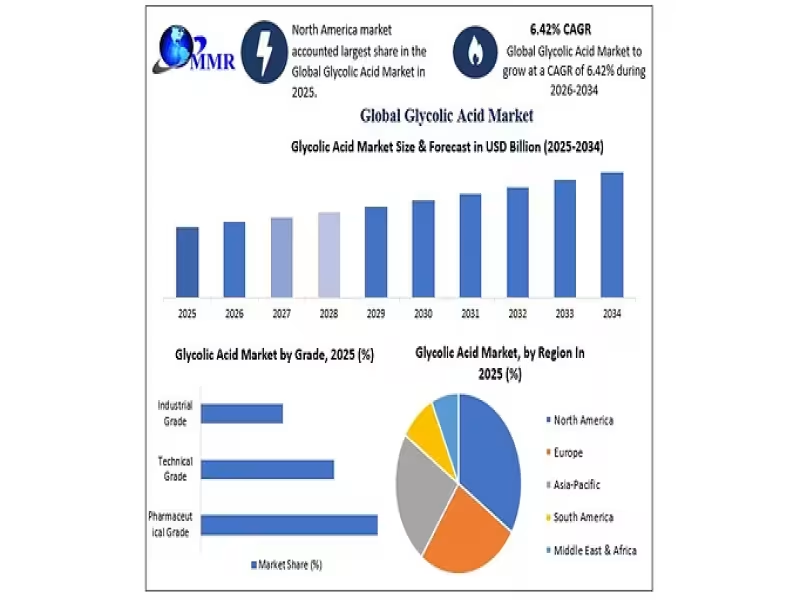
Pune, India – September 28, 2026 -- The global glycolic acid market is projected to grow from USD 723.75 billion in 2025 to USD 1,267.06 billion by 2034, expanding at a compound annual growth rate of 6.42%, according to a new report from Maximize Market Research.
North America dominates demand as dermatology and pharmaceutical use expand
North America leads the global market, driven by strong uptake of glycolic acid in skincare, cosmetics, dermatology, and pharmaceutical formulations. The U.S. remains the largest consumer market as chemical peels, anti-aging creams, exfoliating serums, and acne treatments built on alpha hydroxy acid (AHA) chemistry gain wider adoption. The U.S. FDA identifies glycolic acid as one of the most common AHAs used in cosmetic products for exfoliation and pH adjustment.
Asia Pacific manufacturing and e-commerce growth fuel a high-growth regional market
China, India, Japan, South Korea, and Southeast Asian markets are recording rising demand for chemical peels, personal care formulations, industrial cleaners, and specialty chemicals, supported by expanding manufacturing capacity and broader e-commerce access.
High-purity and bio-based production become central industry differentiators
Manufacturers are prioritizing high-purity glycolic acid for premium skincare, anti-aging products, and professional dermatology treatments. Chemours markets its Glypure line as a high-purity option for personal care applications and has outlined a sustainability program for its glycolic acid portfolio, reflecting a broader industry shift toward cleaner, lower-impact production methods.
Applications extend beyond cosmetics into pharmaceuticals, textiles, and biodegradable polymers
Demand is rising in metal cleaning, descaling, textile processing, leather treatment, and wound-care products. Research into poly(glycolic acid) and poly(lactic-co-glycolic acid) materials is expanding glycolic acid's role in drug delivery, medical devices, and tissue engineering, widening the market's long-term opportunity set beyond consumer beauty applications.
Skin sensitivity risks and compliance costs weigh on smaller market entrants
Higher concentrations of glycolic acid can cause irritation and increase sensitivity to sunlight, requiring manufacturers to meet strict rules on concentration levels, labeling, and formulation safety. These compliance requirements raise testing and product-development costs, particularly for smaller cosmetic, pharmaceutical, and specialty chemical firms entering the market.
Competing exfoliants and raw material volatility pressure producer margins
Lactic acid, salicylic acid, mandelic acid, and enzyme-based alternatives are intensifying competition in the skincare segment. Raw material price fluctuations and supply chain disruptions are adding further pressure on production costs and pricing strategies across the glycolic acid supply chain.