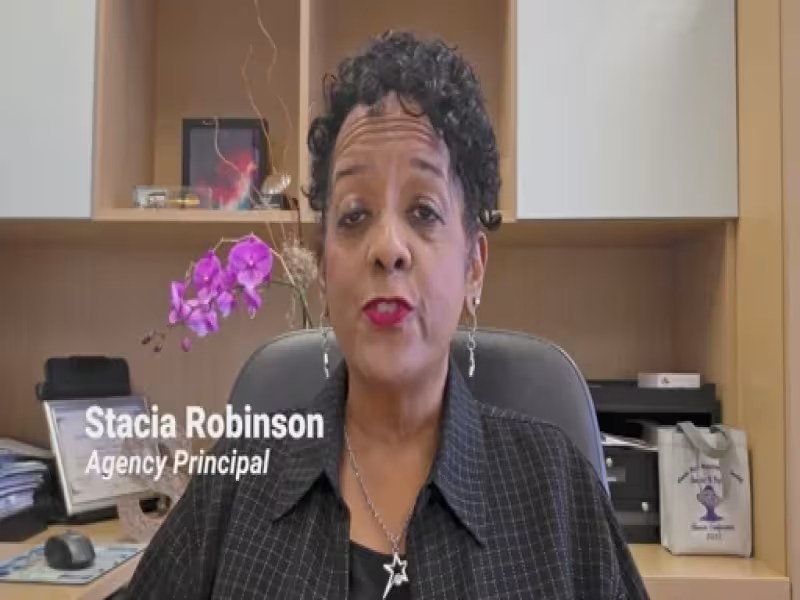
Montgomery – October 15, 2026 -- Employees routinely miss valuable workplace benefits because employers limit communication to onboarding and annual enrollment, according to a HelloNation article featuring Stacia Robinson of BeneChoice Companies LLC.
Enrollment-only communication leaves employees with details they forget before needing them
Health insurance, retirement plans, wellness initiatives, mental health support, flexible spending accounts and professional development programs can improve employees' financial well-being, the article states. Many workers overlook them because the information is unfamiliar, hard to understand or seems unrelated to immediate priorities.
Timing is among the most common barriers. Employees receive detailed benefits information mainly during onboarding or annual enrollment, while focused on new responsibilities or deadlines. Some postpone learning about programs until they need them and then discover they have missed an enrollment period.
Complex terminology discourages employees from asking questions
Lengthy documentation and technical language make benefits communication harder than necessary, according to the article. Employees may hesitate to ask questions because they assume they should already understand the material.
Robinson recommends year-round, one-benefit-at-a-time messaging in plain language
Robinson's insights emphasize that organizations can lift participation by making information available year-round. The article recommends presenting one benefit at a time, using plain language and practical examples tied to everyday situations.
It cites two examples: a health savings account that can reduce medical expenses, and an employee assistance program that offers confidential support for personal or workplace challenges. Seasonal updates and brief educational messages reinforce awareness without overwhelming staff. Managers and human resources professionals can direct employees to reliable resources and encourage questions.
Growing businesses face added risk as coverage and eligibility change
The article notes that growing companies face extra challenges as new benefit offerings are introduced and eligibility requirements evolve. Existing employees may not realize coverage has expanded or changed.
It encourages employers to gather feedback through surveys, informal conversations and frequently asked questions to identify which programs cause confusion. Real-life examples, such as how a retirement savings plan can grow over time, help employees see the relevance of each program.
Better communication raises return on benefits investment
Employees who understand their options are more likely to participate in programs and make informed decisions, according to the article. Employers, in turn, receive greater value from their benefits investment.