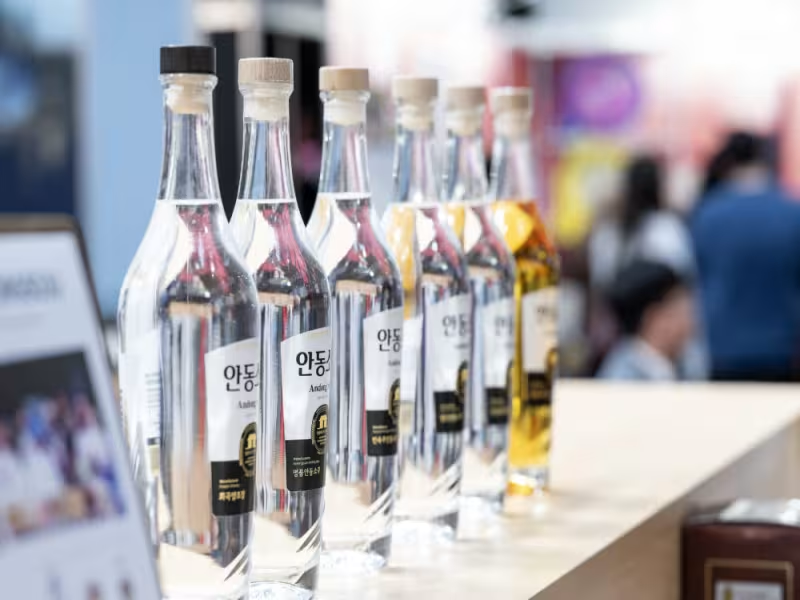
SHERIDAN, WYOMING - March 07, 2026 - ProWein Düsseldorf 2026 is scaling its ProSpirits segment to two fully occupied halls, positioning spirits as a larger, more international sourcing and networking pillar within the fair from March 15 to 17. Organizers say Halls 5 and 7 will host around 500 exhibitors from 50 countries, aiming to give trade visitors faster access to global range breadth-from whisk(e)y styles and gin to Chinese Baijiu-while adding structured guidance formats that help buyers turn sampling into commercial decisions. Operationally, the expansion matters because spirits buyers and on-trade decision-makers increasingly need efficient filtering, reliable trend context, and direct producer access in a crowded category where innovation cycles are accelerating.
ProSpirits scales to two halls to support higher-intent B2B sourcing
With two fully occupied halls, ProSpirits is positioned as "as big, international and versatile as ever," and designed to function as a concentrated meeting point for the global spirits industry. The stated exhibitor footprint-around 500 exhibitors from 50 countries-signals an intent to cover broad category depth and multiple sourcing geographies in a single, time-boxed visit.
For buyers, the operational value of this format is typically meeting density: comparing producers side-by-side, validating positioning and product range, and compressing early-stage discovery into a structured show plan. For exhibitors, scale increases competitive pressure, which makes curated visibility formats and clear buyer navigation more commercially important.
International range and category breadth, including low and no alcohol
The organizers highlight product variety across the halls, ranging from tropically aged whisk(e)ys to progressive gin styles and Chinese Baijiu. The release also introduces a new stage for no & low alcohol spirits via the ProWein Zero Tasting Bar, positioning the segment as modern and innovation-led rather than a niche add-on.
From a commercial standpoint, a dedicated low/no area can reduce buyer friction by separating discovery from the broader hall noise and enabling more direct comparisons within that fast-developing category. It also signals that the fair is treating low/no as a structured buying theme rather than an incidental trend.
Trend Tours as a practical navigation tool for buyers and trade audiences
To help visitors navigate a larger offering, ProSpirits is using curated Trend Tours guided by spirits expert Jürgen Deibel. Twice daily tours are positioned to put market developments, styles, and producers into context, effectively acting as an on-site "guided filter" for time-constrained visitors.
For procurement teams, bar operators, and distributors, the business benefit of guided tours is usually in faster shortlisting: identifying relevant suppliers, aligning product discovery with specific demand signals, and improving the quality of conversations at booths. It also supports more consistent interpretation of trends across teams attending the show.
"The guided spirits tours at ProSpirits 2026 are a key tool for targeted knowledge transfer and networking," explains Deibel and adds: "They make for structured orientation, promote direct exchange with producers and make a crucial contribution to the professionalisation of the trade audience as well as to sustainable appreciation of craft spirits."
Press and education programming in Hall 7 adds market context to product discovery
Beyond the show floor, ProSpirits will feature an education program curated by The Spirits Business in a dedicated area in Hall 7. The format is positioned to address key industry challenges and opportunities, including market and consumer trends, technology, on-trade trends, distribution, and retail. The panels will be facilitated by Melita Kiely, editor-in-chief of The Spirits Business, with speakers including Prof. Dr. Simone Loose and Ian Somerhalder (Brother's Bond), alongside representatives of brands cited in the release.
For B2B decision-makers, structured stage programming can convert "what's new" into "what's actionable," especially when panels connect trends to route-to-market implications and category strategy. It also supports teams that attend fairs to validate assumptions and align internal planning with visible market direction.
"We were thrilled to present The Spirits Business Hub at ProSpirits 2025 for the first time - and are delighted to return with its second edition in 2026," says Melita Kiely.
"We're not shying away from important topics impacting the industry - from Gen-Z consumption habits to geopolitical challenges to the question of what bartenders really expect from brands."
A trade-focused destination for bar professionals, retailers, and distributors
The release positions ProSpirits 2026 as a "must-go" touchpoint for bartending staff, mixologists, and retailers, emphasizing immersive formats, knowledge transfer, and direct exchange with producing companies and experts. From an operator perspective, that mix is designed to create deal-ready interactions: sourcing discussions, menu innovation scouting, and commercial alignment with producers and brand teams.
In practical terms, two factors often determine whether a spirits show delivers measurable business outcomes: how efficiently visitors can find relevant suppliers and how effectively the event turns tasting and discovery into structured follow-up. ProSpirits is attempting to address both with hall expansion plus guided tours and stage programming.
ProSpirits Business Report 2026 survey positions the segment as a trend barometer
An industry-wide survey is underway for the ProSpirits Business Report 2026, intended to capture assessments of market trends, challenges, and future perspectives from industry, distribution, retail, and food service. The release frames the report as a central mood and trend barometer for the category.
For exhibitors and buyers, this type of structured reporting can help translate fragmented show-floor signals into a more consistent narrative-useful for category planning, portfolio positioning, and internal stakeholder alignment ahead of purchasing cycles.