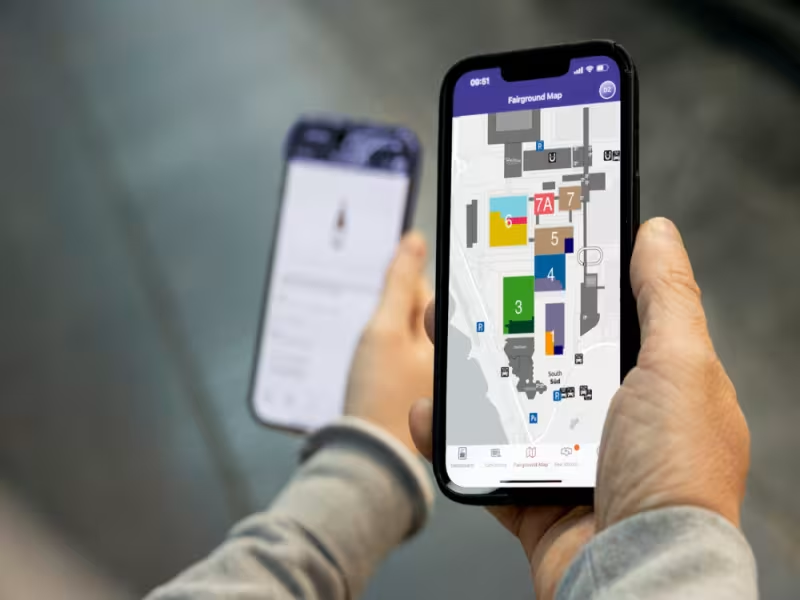
SHERIDAN, WYOMING - March 07, 2026 - ProWein Düsseldorf has introduced its new Insights to Action (I2A) framework to expand digital services and better support international trade visitors before, during, and after the fair. The initiative is designed to reduce friction in the B2B buying journey by improving orientation, accelerating the identification of relevant exhibitors and products, and enabling more structured meeting preparation. For exhibitors, the framework is positioned to increase visibility at decision points and strengthen the quality of business initiation rather than simply driving traffic. Operationally, I2A formalizes how data, filtering, and matchmaking tools are used to convert fair participation into more efficient, higher-intent commercial conversations.
How I2A reframes ProWein as a year-round B2B business platform
I2A is presented as a structured, data-driven concept that accompanies professional visitors along the full customer journey-prior to the fair, on-site, and in the follow-up period. The stated objective is to make visits more efficient and decision-making more informed, with clearer navigation and less time lost in unstructured browsing.
For a B2B wine trade fair, this shift matters because outcomes depend on how quickly buyers can shortlist relevant partners, validate availability and positioning, and move from discovery to meetings. The framework's core promise is not "more information," but better relevance and structure in how information is discovered and used.
Research-driven design: decision behavior translated into digital service upgrades
The framework is based on an analysis of how B2B wine buyers prepare for trade fairs, what information is decision-relevant, and which criteria drive exhibitor and product selection. The concept was developed as part of an academic research project and then used to guide the practical development of ProWein's digital services.
For operators of trade fairs and exhibitor teams, this is important because tool design often fails when it is built around platform features rather than buyer behavior. By starting from decision criteria and preparation patterns, the framework aims to make digital touchpoints more actionable for both sides-buyers making choices and exhibitors seeking qualified conversations.
From information overload to targeted filtering and stronger exhibitor profiles
A major element of I2A is refining how visitors filter and compare exhibitors and products. The source describes improvements such as optimized filter categories, more meaningful exhibitor profiles, and clearer product information structures. Visitors can filter based on decision-relevant attributes such as origin, price segment, and availability, among other criteria.
In B2B trade fair operations, these seemingly simple improvements can change commercial effectiveness. Better filters reduce mismatched meetings and help buyers arrive with clearer intent. For exhibitors, higher-quality profiles and structured product data support a more credible first impression and can shorten the time required to establish fit in initial conversations.
Matchmaking and appointment planning as a productivity lever
The framework includes integrated matchmaking through a tool that supports direct appointment scheduling with suitable exhibitors. The operational intent is to shift buyer time from passive browsing into planned meetings that are more likely to produce follow-up actions after the event.
For exhibitors, this kind of structured appointment flow can increase the proportion of high-value conversations and reduce "stand traffic" that does not align with target customer profiles. For buyers, it supports a more controlled agenda, especially when they have limited time and need to cover multiple categories, regions, or supply options.
On-site support plus post-event continuity for decisions and re-contact
I2A is designed to work across three phases. Before the fair, it supports search, comparison, and appointment planning. During the fair, it emphasizes better orientation and the ability to capture structured notes related to products, producers, and educational formats. After the fair, it focuses on keeping conversations, product information, and tastings accessible so that contacts can be revisited and decisions can be prepared without immediate time pressure.
From a B2B commercialization perspective, the post-event period is where many fairs lose momentum. If key information and contacts remain organized and usable, exhibitors can sustain follow-up quality and buyers can convert interest into purchases with fewer gaps in context.
Exhibitor enablement: training to improve digital readiness and visibility
Alongside the visitor-facing framework, ProWein is offering trainings for exhibitors intended to explain current search and decision behavior among international B2B buyers and to provide guidance on optimizing exhibitor profiles. This is positioned as a practical support measure that complements the digital tools by improving the quality of exhibitor inputs.
Operationally, this matters because matchmaking and filtering only work well when data quality is high. Training programs can reduce variability in how exhibitors present information and improve the consistency of the marketplace experience for buyers.