Clinical Research

AdJane Details Plan to Add Mucosal Booster to mRNA Vaccine Regimens

Image

AdJane Details Plan to Add Mucosal Booster to mRNA Vaccine Regimens

Delft – September 16, 2026 -- AdJane Biosciences has published a White Paper outlining a strategy to add a proprietary intranasal booster to existing intramuscular respiratory vaccines, targeting the mucosal immunity gap left by current mRNA shots.

Phase I data show intranasal booster induced significant nasal IgA responses in mRNA-primed subjects

In a post-hoc subset of participants from AdJane's completed Phase I study who had previously received Pfizer and/or Moderna COVID-19 mRNA vaccines, a subsequent intranasal dose of an Nm-nOMV vaccine displaying SARS-CoV-2 Spike was well tolerated and generated significant nasal IgA responses. AdJane says this provides initial human evidence for a heterologous prime-boost approach: systemic priming via existing intramuscular vaccines followed by a mucosal Nm-nOMV booster delivered intranasally.


Fibryga Cuts Blood Transfusions 19% in Cardiac Surgery Subgroups

Image
Fibryga Cuts Blood Transfusions 19% in Cardiac Surgery Subgroups

Paramus, N.J. – – September 15, 2026 -- A prespecified secondary analysis of the landmark FIBRES trial found that Octapharma's fibryga (fibrinogen [human]) cut 24-hour allogeneic blood-product transfusion requirements by 19% versus cryoprecipitate in two overlapping patient subgroups, according to findings published in the Journal of Cardiothoracic and Vascular Anesthesia.

Non-critical and elective surgery patients showed the sharpest transfusion reductions

Among 634 patients classified as non-critical before surgery -- 86% of the primary trial population -- those receiving fibryga required 13.6 blood-product units on average versus 16.2 units for cryoprecipitate recipients, a 19% relative reduction. In the 466-patient elective-surgery subgroup, representing 63% of the primary population, fibryga patients received 11.7 units compared with 14.4 units for cryoprecipitate, matching the 19% relative reduction.

Altesa's Vapendavir Cuts Inflammatory Markers in COPD Rhinovirus Study

Image
Altesa's Vapendavir Cuts Inflammatory Markers in COPD Rhinovirus Study

Barcelona, Spain – September 15, 2026 -- Altesa BioSciences reported that its investigational oral antiviral vapendavir significantly reduced two key inflammatory biomarkers, IP-10/CXCL10 and GM-CSF, in COPD patients experimentally infected with rhinovirus, according to data presented at the European Respiratory Society (ERS) International Congress 2026.

Vapendavir lowers airway inflammation markers in Phase 2a challenge study

Nasal lavage samples from COPD patients treated with vapendavir showed significantly lower levels of IP-10/CXCL10 and GM-CSF compared to placebo over the course of rhinovirus infection. Two additional biomarkers, IFN-α2a and IFN-λ1/IL-29, trended lower with treatment but did not reach statistical significance.

DCD Heart Transplants Expand in US Without Worse Outcomes, Study Finds

Image
DCD Heart Transplants Expand in US Without Worse Outcomes, Study Finds

Washington – September 15, 2026 -- Donation after circulatory death (DCD) heart transplantation expanded rapidly across the United States between 2019 and 2024 without any measurable decline in early clinical outcomes, according to research published in the September 2026 issue of the Journal of Cardiac Failure (JCF).

Registry data on 1,489 patients show no rise in graft failure or mortality

Investigators analyzed U.S. registry data covering 1,489 adult DCD heart transplant recipients, comparing the early adoption period of 2019-2021 with the national expansion period of 2022-2024. The analysis found no significant differences in one-year graft failure, mortality, need for renal replacement therapy, re-transplantation or hospital length of stay between the two periods. Outcomes remained consistent even among higher-risk recipients, as DCD transplantation spread to a growing number of transplant centers nationwide.

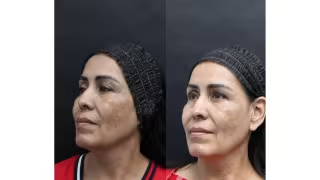
Combined Microneedling-Exosome Protocol Shows Melasma Improvement in Skin of Color

Image
Combined Microneedling-Exosome Protocol Shows Melasma Improvement in Skin of Color

Louisville, Ky. – September 14, 2026 -- Induction Therapies and Collagen P.I.N., in partnership with aesthetic physician Dr. Shino Bay Aguilera, released new clinical findings on a treatment protocol combining Collagen P.I.N. microneedling with PRX8, a plant-derived exosome serum, for melasma in a patient with Fitzpatrick skin type V.

Patient shows sustained improvement after four treatments over eight weeks

The case involved a woman with longstanding facial melasma who had previously used topical hydroquinone and tranexamic acid without full resolution. She underwent four Collagen P.I.N. treatments over an eight-week period, with TRUExosomes PRX8 Plant-Exo Stimulation Serum applied after each session and daily sunscreen maintained throughout.

Visible improvement in the appearance of melasma was observed across the treatment course and persisted at the two-week follow-up after the final treatment, with no adverse reactions reported.

BioMarin's VOXZOGO Hits Primary Endpoint in Phase 3 Hypochondroplasia Study

Image
BioMarin's VOXZOGO Hits Primary Endpoint in Phase 3 Hypochondroplasia Study

San Rafael, Calif. – September 14, 2026 -- BioMarin Pharmaceutical Inc. (Nasdaq: BMRN) reported that its Phase 3 CANOPY-HCH-3 trial of VOXZOGO (vosoritide) met its primary endpoint in children with hypochondroplasia, with results published in NEJM Evidence and presented at the European Society for Paediatric Endocrinology 2026 Annual Meeting.