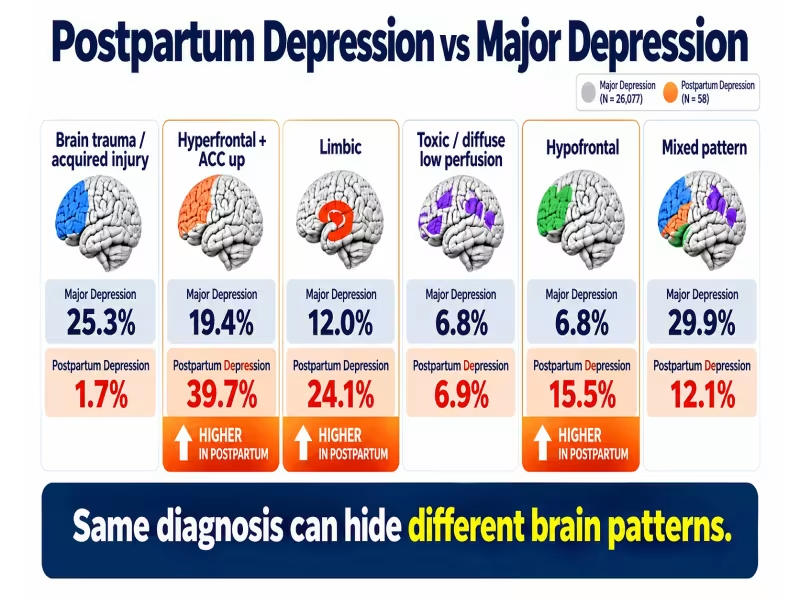
Costa Mesa, Calif. – October 02, 2026 -- Nearly 40% of women with postpartum depression showed a hyperfrontal/anterior cingulate cortex brain-activity pattern, more than double the 19.4% rate found in patients with major depression, according to new research from Dr. Daniel Amen and colleagues at Amen Clinics.
Brain scan comparison covers 26,135 patients across two depression groups
Researchers analyzed brain SPECT imaging scans from 58 women diagnosed with postpartum depression (PPD) and compared them against scans from 26,077 people with major depression. Each scan was classified into one of six brain-function categories: hyperfrontal/ACC, limbic, hypofrontal, toxic/diffuse low perfusion, brain trauma/acquired injury, or mixed patterns.
Limbic and hypofrontal patterns appear roughly twice as often in postpartum depression
Limbic patterns were identified in 24.1% of PPD cases versus 12% in major depression. Hypofrontal patterns showed up in 15.5% of PPD patients compared with 6.8% of those with major depression, pointing to functionally distinct neural profiles despite overlapping diagnostic labels.
Brain trauma pattern is 15 times more common in major depression than in PPD
The starkest divergence involved brain trauma/acquired injury patterns, which appeared in 25.3% of the major depression cohort but only 1.7% of the postpartum depression group. The gap suggests that prior head injury may play a far larger role in major depression than in depression occurring after childbirth.
Findings arrive amid scrutiny of postpartum psychiatric care following Lindsay Clancy case
The research, currently in preparation for publication, follows renewed public attention to postpartum mental health treatment after the 2023 case of Massachusetts mother Lindsay Clancy, who killed her three children after seeking psychiatric help and receiving multiple medications. Her defense argued she experienced undertreated postpartum psychosis, a claim disputed by prosecution experts.
Researchers say symptom-based diagnosis may mask underlying biological differences
The six-pattern classification indicates that women sharing a postpartum depression diagnosis can present with markedly different brain function, which may help explain why patients with similar symptoms respond differently to the same treatments. At Amen Clinics, SPECT imaging is used as one component of a broader clinical evaluation rather than a standalone diagnostic tool.