Oklahoma City – November 10, 2026 -- Hospice agencies can deliver blood and platelet transfusions at home to patients with blood cancers at a cost of $571 per patient per week, according to a University of Oklahoma pilot study of 20 people. The researchers hope the data will support a federal reimbursement model for the service.
Pilot Study Reports No Hospitalizations or Transfusion Reactions
Published in eClinicalMedicine, a journal in The Lancet family, the study covered patients who had stopped pursuing treatment aimed at controlling their cancer. Hospice-administered transfusions kept hemoglobin and platelet levels within a range consistent with clinical transfusion guidelines. No patients were admitted to the hospital or intensive care unit, and no transfusion reactions were reported.
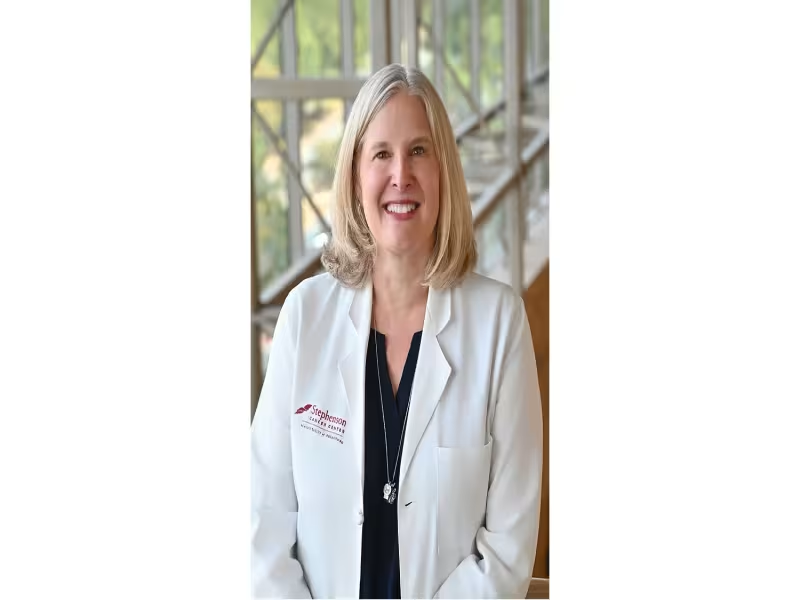
Lead investigator Jennifer Holter-Chakrabarty, M.D., a hematologist-oncologist at OU Health Stephenson Cancer Center, said the $571 weekly cost is far below what a hospital would charge for the same transfusions.
Reimbursement Gap Keeps Hospice Patients Traveling to Hospitals
Medicare covers blood and platelet transfusions in other care settings, but hospice agencies face financial and logistical barriers to providing them. Patients who want hospice services may therefore keep traveling to hospitals or clinics for transfusions that can take hours to complete.
Holter-Chakrabarty is a councilor and former government affairs chair for the American Society of Hematology, which has advocated nationally for reimbursement to cover home-based transfusions. She said that if transfusions were covered, more patients with blood cancers would feel comfortable choosing hospice.
Participants Spent 11 Days in Hospice Versus a Six-Day Average
Patients in the study averaged 11 days in hospice, against a reported six-day average for patients with blood cancers who receive hospice care. The authors read this as evidence that offering transfusions through hospice may help address a barrier to end-of-life care.
All patients approached agreed to participate, and all were able to die at home, Holter-Chakrabarty said. She noted that patients with leukemia or myeloma are far more likely to die in a hospital or ICU. Of the transfusions' effect on patients, she said: "They get more of their life back."
Symptoms, Not Lab Values, Triggered Each Transfusion
Hospitals and clinics generally guide transfusions by blood test results, including hemoglobin and platelet levels. The study instead evaluated patients weekly for symptoms such as fatigue, shortness of breath, bruising or bleeding, and used those findings to decide on transfusions. Patients' blood counts nonetheless stayed in the range expected in a hospital or clinic setting.
Our Blood Institute and Two Local Hospices Carried Out the Care
Oklahoma City-based Our Blood Institute supplied the blood, lab testing and nursing staff for the transfusions. Two local providers, Integris Hospice and Apex Home Health and Hospice, oversaw care and collected data. Our Blood Institute President and CEO John Armitage, M.D., said the organization hopes the results open a pathway for more patients to access end-of-life care at home or in other local settings.
Rabia Saleem, M.D., was first author and Ryan D. Nipp, M.D., senior author. The National Cancer Institute Cancer Center Support Grant P30CA225520, awarded to OU Health Stephenson Cancer Center, supported the research.