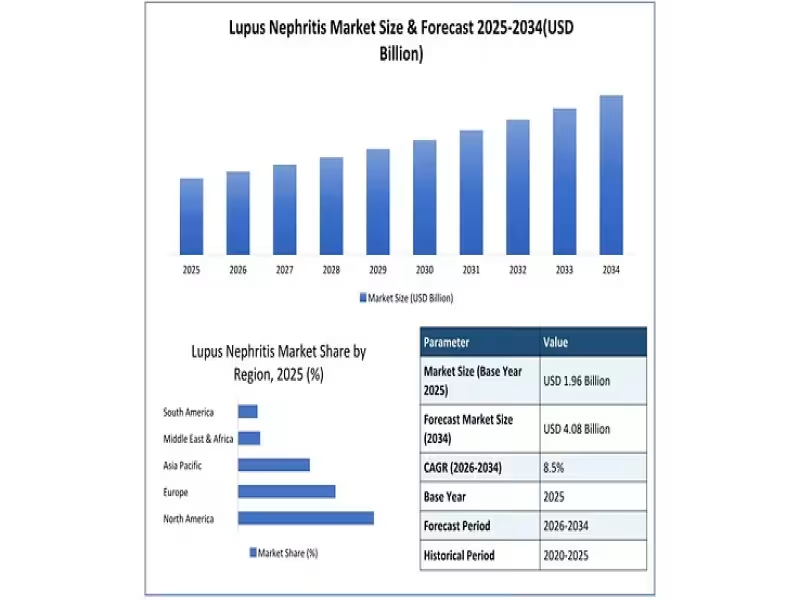
Pune, India – September 22, 2026 -- The global lupus nephritis market was valued at $1.96 billion in 2025 and is projected to reach $4.08 billion by 2034, expanding at a compound annual growth rate of 8.5% through the forecast period, according to a new analysis by Maximize Market Research.
North America leads treatment adoption on strong pharmaceutical research capabilities
North America holds the leading position in the market, supported by advanced healthcare infrastructure and higher awareness of autoimmune diseases. The United States drives regional demand through its established pharmaceutical industry and strong clinical research activity, while Canada contributes through its developed healthcare system focused on autoimmune disease management.
Europe and Asia Pacific strengthen regional growth as diagnosis rates improve
Europe represents a mature treatment market, with Germany, the United Kingdom, France, Italy, and Spain identified as key contributors driven by early diagnosis initiatives and adoption of biologic therapies. Asia Pacific is expected to post strong growth as awareness of lupus-related kidney complications rises, with China, Japan, India, South Korea, and Australia cited as important markets amid expanding healthcare expenditure.
Pfizer, AstraZeneca and Merck & Co. anchor a competitive, innovation-driven field
Pfizer Inc., AstraZeneca PLC, and Merck & Co., Inc. are named among the prominent pharmaceutical companies active in the broader lupus and autoimmune disease treatment landscape. The competitive field also includes Bristol Myers Squibb Company, GlaxoSmithKline plc, F. Hoffmann-La Roche Ltd, Novartis AG, and Johnson & Johnson, with competition shaped by clinical development, regulatory approvals, and strategic collaborations targeting improved kidney outcomes.
High treatment costs and complex disease management remain barriers to broader adoption
The report identifies the high cost of advanced therapies, prolonged treatment requirements, and the need for continuous clinical monitoring as factors restraining wider market adoption. Variable patient responses to existing therapies and treatment-related safety concerns tied to long-term immunosuppression are cited as ongoing challenges for healthcare providers and drugmakers alike.
Targeted and biologic therapies open new opportunities in immune pathway treatment
Growing development of targeted and biologic therapies focused on specific immune pathways involved in disease progression is creating opportunities across the sector. The market is segmented by drug class, treatment type, route of administration, and distribution channel, with expanding clinical research and drug pipelines aimed at protecting kidney function and improving disease control.